
Plumbing
For over 40 years Narrow Way Plumbing and Heating have served the Greater Boston community providing experienced repairs you can trust. The plumbing industry has transformed over the last several decades as technology advances and Narrow Way stays in lock step. We provide expert advice on the positives and negatives in any piping system new or old and will find solutions that would work best for you and your budget. We proudly serve our Massachusetts neighbors with a dedicated team built on integrity and hard work.
Remodel & Renovation
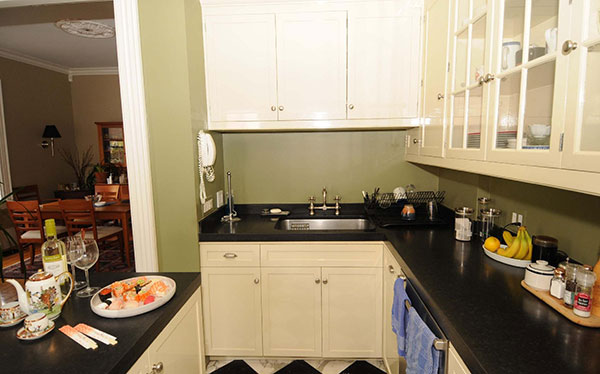
We do a wide variety of remodeling and renovations of bathrooms, washrooms, kitchens and even full house remodels. We also do new construction on both commercial and residential properties including expansions or adding a bathroom in area of the house. We offer free, no obligation, estimates for any of our plumbing work and we are more than glad to send out a technician to review the different options of fixture design, bathroom layout, or potential location options. Call anytime and we will send someone to consult on your project.
New Construction & Additions
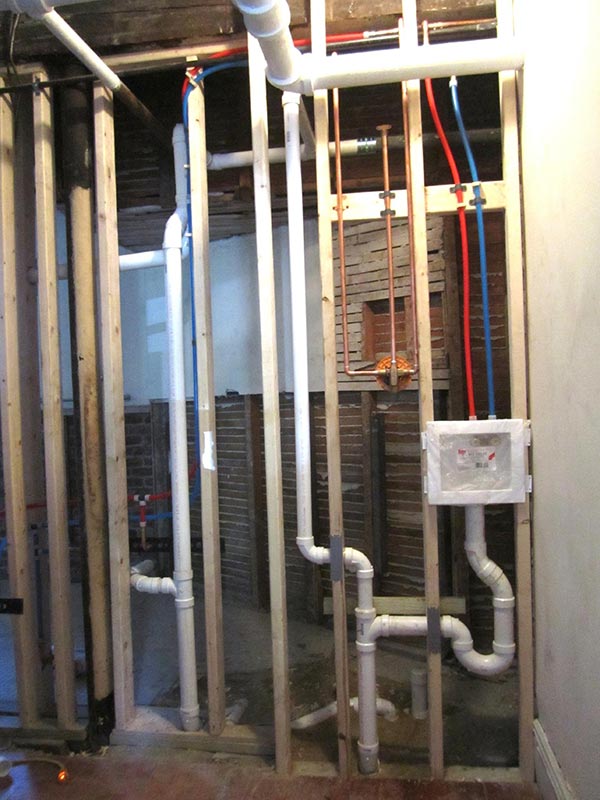
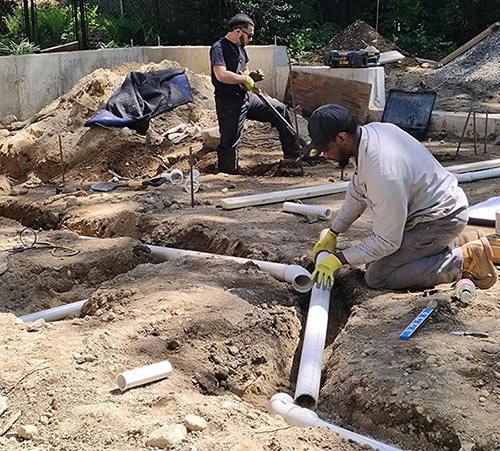
We will provide expert installation of plumbing rough and finish that utilizes the cutting-edge products in the plumbing world as well as ensure code compliance on new construction or addition job. Our technicians are trained to be able to handle any type of plumbing jobs and with the master plumber having forty years of experience we have the ability to estimate and perform any type of new construction including commercial buildings, single or multi-family residence. Contact our office to schedule our department head to visit your site and provide you with the solution you are looking for.
Faucets, Toilets, and Sinks
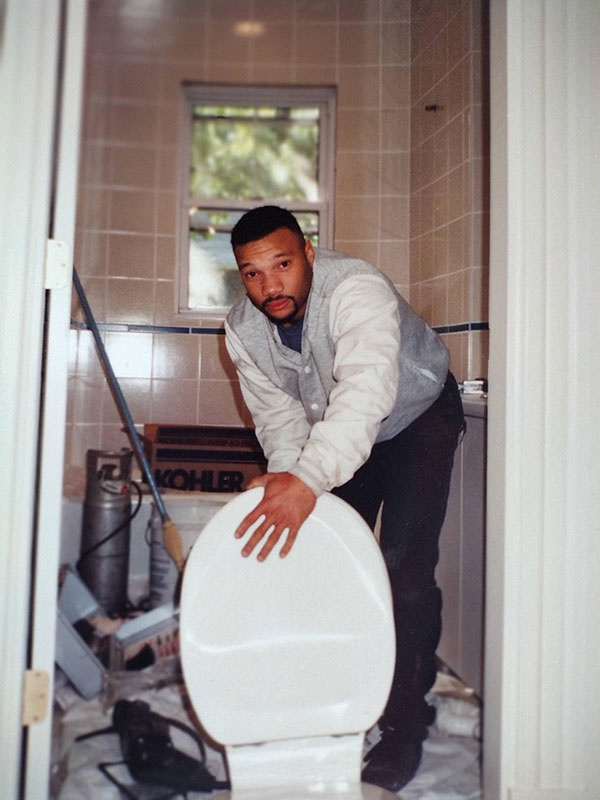
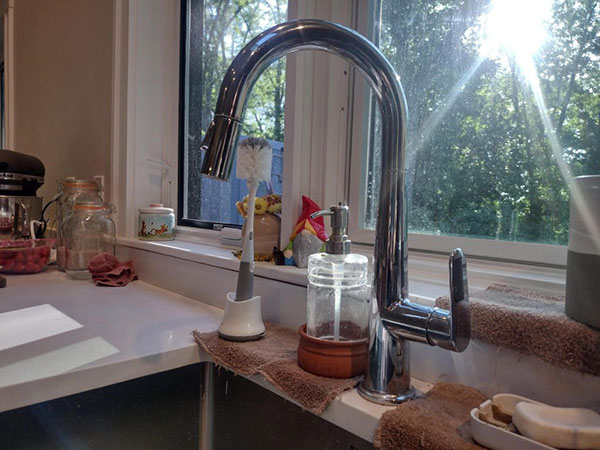
We install, repair, and replace all residential and commercial plumbing fixtures across Boston.
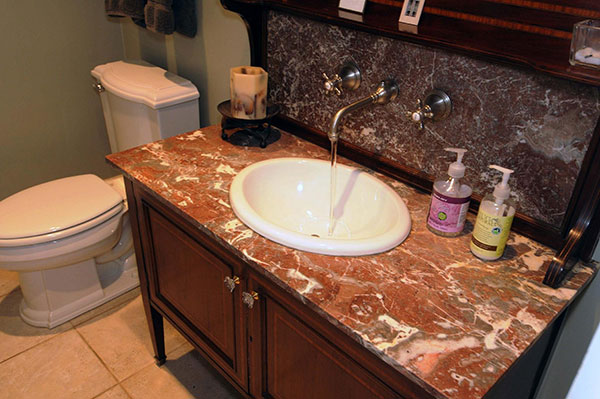
Our experienced team specializes in everything from restoring antique fixtures in historic homes to installing modern upgrades: toilets, sinks, vanities, valves, appliances, spigots, laundry hook ups, and sump pumps.
Our Material & Warranty Policy
- Our Provided Fixtures: We prefer to supply trusted, field-tested brands. When we provide the materials, both our labor and the products are fully guaranteed—faulty items are replaced at zero cost to you.
- Customer Provided Fixtures: We will happily install your supplied parts, provided they are safe and functional. However, the customer assumes all responsibility for the item’s performance and warranty.
- Get Started: Email us a photo of your existing faucet or new parts for expert advice and quick scheduling. We will select and recommend the absolute best product for your specific plumbing needs.

Leaks
Leaks originate from many sources; drips from condensate, drain lines, water lines, heating lines, vent pipes and gas lines, just to name a few. We locate them all. Call us if you have a stain, puddle, or wet spot or see green build up on your water pipes. Even if you can’t locate the problem we will.
FYI Tub Leaks: Frequently in older houses around Boston, we find leaks coming from old cracked grout lines, loose tiles or missing grout in the bathroom floor or shower surround. Fifty percent of tub leaks are from water getting through these cracks in the grout. We would highly recommend, before calling us, to fill the tub with water, let it drain, and if the leak appears, then you probably have a plumbing leak. If no water appears, check around the bathroom’s tile and grouting, sometimes some simple caulking resolves these issues. Either way we can help, Schedule an appointment today and one of your technicians can help you diagnose and resolve the issue.
Leaking Drains

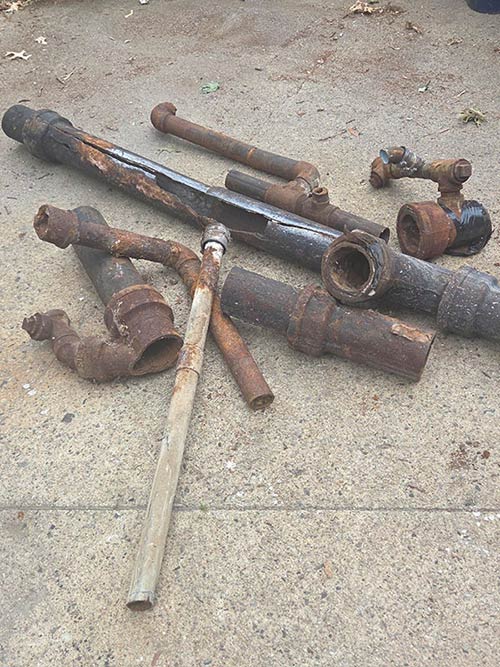
Boston is one of the oldest cities in America and the same can be said of many of the drain systems in the city. You will find cast iron, lead, and galvanized piping throughout homes in Boston. These metals become corroded, rusted, and crack over time. Narrow Way is ready to provide drain line replacements from a small patch to a full drain system redesign we have got you covered.
Leaking Water
Take the “E” out of emergency! Every faucet, toilet, or fixture typically has its own individual shut off if you are experiencing a water leak. Check under the sink or to the left side of the toilet. Otherwise, every house has a water meter and a water main shut off. If you are experiencing a burst pipe or water running where it shouldn’t, start by shutting the water down and giving us a call. Click Here to find our DIY page on shutting down your water.
Toilet Leaks
Toilet leaks are often silent but costly. If you experience a high-water bill, it most likely is due to a leaking toilet. Place a few drops of food coloring in the tank (not the bowl). Check the toilet after about 20 min to half an hour. If the water in the bowl has some of the color in it, the tank is leaking into the toilet bowl. Flapper, fill valve, or valve seat may need to be replaced. Our trucks are stocked with these repair parts, give us a call and one of our technicians will stop the slow drip out of your wallet.
Drain Cleaning
All plumbing fixtures and drains can become clogged and we have experience clearing them all. We will clear all branch drains (tubs, sinks, shower stalls, toilets, kitchen sinks, floor drains). Clogs or slow drains will become more severe if not dealt with quickly. So don’t delay, get it cleared today!
FYI Never use chemical drain cleaners as these will cause corrosion and damage to your drain pipes, especially if you live in an older home. Prevention is the best way to avoid clogs and avoid needing to make a service call in the first place.
- Use preventative measures: strainers help catch unwanted items or debris by physically blocking drains
- Avoid cooking fats or oils getting into the sink. Especially chicken drippings. Wipe out the cooking pans first before washing.
- Do not put coffee ground, egg shells, rice or noodles, or other large food pieces into garbage disposals.
Inspection Services
Narrow Way offers our customers a variety of inspection services from water surveys for apartment buildings and management companies to residential home inspections. If you have a high-water bill and can’t find the source, give us a call.
It is best practice when buying a car to have a mechanic check it out, the same goes with a house. Often times home inspectors might miss some things when it comes to potential plumbing issues. Give us a call if you are considering buying a house, we can inspect both your plumbing and heating system and provide estimates for repairs needed.
Garbage Disposals
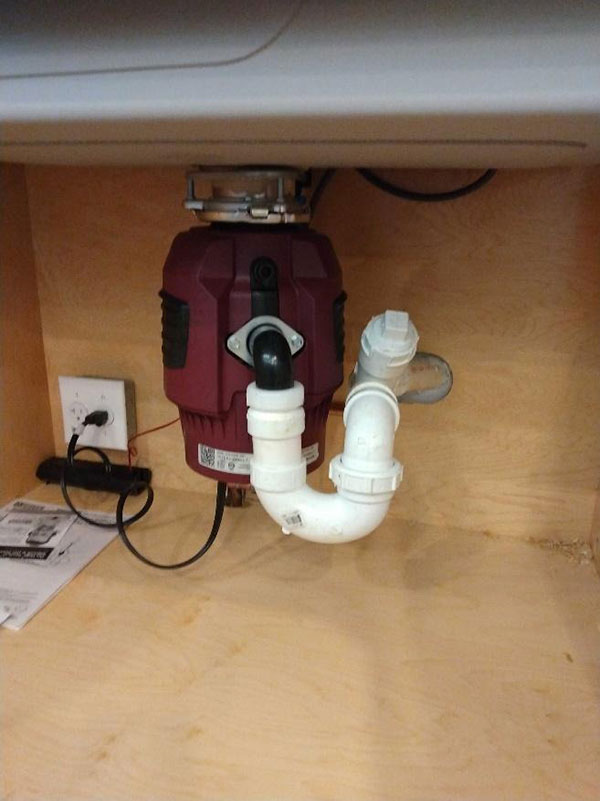
Disposals are a staple for many American homes. Avoiding the need to empty a gross strainer every time you wash dishes is convenient, but disposals don’t last forever. We typically install the Badger 5 Insinkerator as a standard option for most homes, however, there are upgraded versions that we can provide as options from vibration reduction to stainless steal housing. If your disposal is not working, it could be a simple fix, check out the DIY section on garbage disposals or call us today to have a technician come out and repair your unit.
Water Pipe Replacement
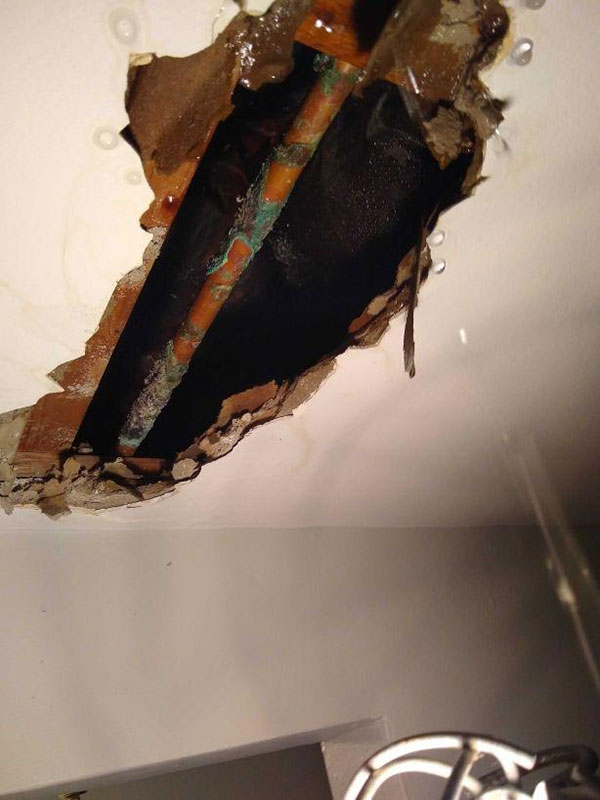
Do you have old piping that is starting to exhibit green spots, or maybe you want to know if your water lines are safe for drinking? Many Boston homes have antique plumbing such as old fine thread brass. Federal law that took effect on January 4, 2014, mandated that brass alloys used for drinking water can have no more than a weighted average of 0.25% lead. Before this these lines could contain up to 8% lead. Contact us today about replacing any concerning water lines. We work with new safe plumbing equipment and can provide advice on what type of water piping you should rely on for health and safety.
Sump Pumps
Ground water can seriously damage the equipment in your basement, If the water level during a flood gets to the height of your boiler’s or water heater’s gas valve then typically the whole unit or ignition system should be replaced for safety. That is why having a working sump pump to keep your basement dry is so important. Typically install in the corner of a basement, these reservoirs collect the ground water under your house and pump it outside away from your basement. Keeping these units working and inspected to ensure they are working is important. because this type of system you don’t think about until it’s a major issue. Give us a call if you have concerns about ground water or want to ensure your sump pump is working.
Frozen pipes
Boston winters are very cold at times and on cold nights un-insulated or exposed pipes can easily be frozen especially in basements or drafty areas. We deal with these situations every winter. We locate and repair any type of frozen pipe or fixtures. Be sure to call us as soon as you start to experience a problem with a frozen or slow water line, sometimes a simple measure can reverse the problem. The longer a line is left, the more it will freeze making the problem bigger. Inspect our DYI section or contact us to see how we can help you avoid frozen pipes this winter.
DIY
“Shutting down your Water”
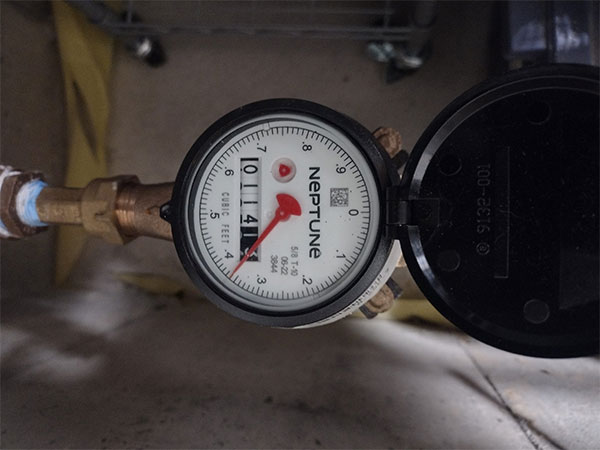
- Everyone needs to know how turn off the water to your house.
Locate the water meter. It is usually located in the front of the house at the foundation wall where the water line enters the building from the main street service line.
When no one is using water examine the trickle indicator/ low flow indicator on the water meter dial. On many meters it is a small red triangle right of center; if it is slowly turning you have a leak.
An alternative way is to write down the numbers on your water meter before you go to work or leave the house. Compare the numbers on the meter when you return; if the number on the meter has increased since you originally wrote it down more than likely there is a leak somewhere in the house.
Water Heaters:
- To maintain your water heater and avoid internal corrosion, drain out sediment that accumulates at the base of the water heater. (do this about every 6 months) Get a bucket or hose and connect it to the valve located at the base of the water tank. Carefully open the valve and watch as the water drains let the water run out until it runs clear. The water heater will fill itself. Make sure the valve is tightly closed once water has begun to run clear of sediment.
Use extreme caution when draining or working on a hot water heater the water is very HOT.
Garden Spigots:
- Each year disconnect all garden hoses before freezing temperatures arrive. Close the shut-off valve on the pipe (in the basement) which leads to your outdoor faucet. Open the outdoor faucet, to allow all the water still remaining in the pipe to drain. Once all the water is drained shut off the faucet.
Faucets, Fixtures, and Sinks
- Check all faucets and fixtures: for dripping water or damp spots. Be sure to check under sinks for moisture or leaks in both drain and water lines. Repair all leaks promptly (leaks can not only cause large quantities of water loss, but if not repaired promptly can lead to further more expensive repairs or cause a fixture to need to be replaced entirely)
Frozen Pipes
- If your indoor faucets sometimes freeze in very cold weather try to allow them to get a little more heat from the house by opening the cabinet doors or opening access to the pipes so the house can heat those areas to avoid freezing. In extreme situations let the water drip very slowly out of the faucet/ fixture. Water pipes which aren’t used during the winter months should be drained for the winter to avoid freezing. If you have any plumbing in your garage, keep your garage door closed on cold days. All water pipes in unheated garages or basements should be insulated. (pipes can also freeze due to drafts of cold air from cracks in the foundation or doors left open). If your pipes end up freezing:
Shut down the water at the main shut-off valve, so nothing will crack/ spray as the ice melts. Leave the faucets on to reduce the pressure as the ice melts.
Use a heat gun or blow dryer to thaw frozen pipes (or turn up the heat in affected areas)
Garbage disposal
- If your disposal isn’t working, jammed, or clogged: turn off the power to the disposal. Use the service wrench that came with your disposal, insert it into the hole on the bottom of the disposal. Turn it back and forth until it will freely turn.
Remove whatever caused the disposal to jam.
Finally, press the red “reset” button located on the bottom of the disposal.